Why Fiber Can Make a Sweet Snack More Satisfying
The Problem with Sweet Cravings
When a sweet tooth strikes, most people reach for something sugary. A cookie, a candy bar, or a pastry often does the trick in the moment. But that satisfaction tends to fade fast. Within an hour, energy can dip and hunger returns, sometimes stronger than before. This cycle is familiar to anyone who has tried to cut back on sugar without changing what they eat. The issue is not just the amount of sugar, but the lack of something that slows digestion and signals fullness. That is where fiber comes in.
Fiber is a type of carbohydrate that the body does not fully digest. Unlike the sugars and starches in refined snacks, fiber passes through the digestive system mostly intact. Along the way, it does several things that matter for anyone looking for lower sugar snacks. It slows the release of glucose into the bloodstream, which helps avoid the spike-and-crash pattern. It also adds bulk to food, which can stretch the stomach and trigger signals that say "enough for now." These effects are why a sweet snack with fiber can feel more satisfying than one without.
How Fiber Works in a Sweet Treat
To understand why fiber makes a difference, it helps to look at what happens when you eat a typical low-fiber sweet snack. The sugars and refined carbohydrates break down quickly. Glucose enters the blood rapidly, and the pancreas releases insulin to manage it. Blood sugar rises and then falls, often below baseline. That drop can trigger hunger, fatigue, and more cravings. It is a physiological loop, not a lack of willpower.
When fiber is present, the digestive process changes. Soluble fiber, the kind that dissolves in water, forms a gel-like substance in the gut. That gel slows the absorption of sugar. Instead of a fast spike, glucose enters the blood more gradually. Insulin responds in a steadier way, and blood sugar stays more even. Insoluble fiber, which does not dissolve, adds roughage that moves food through the intestines. Both types contribute to a feeling of fullness that lasts longer than the momentary pleasure of sugar alone.
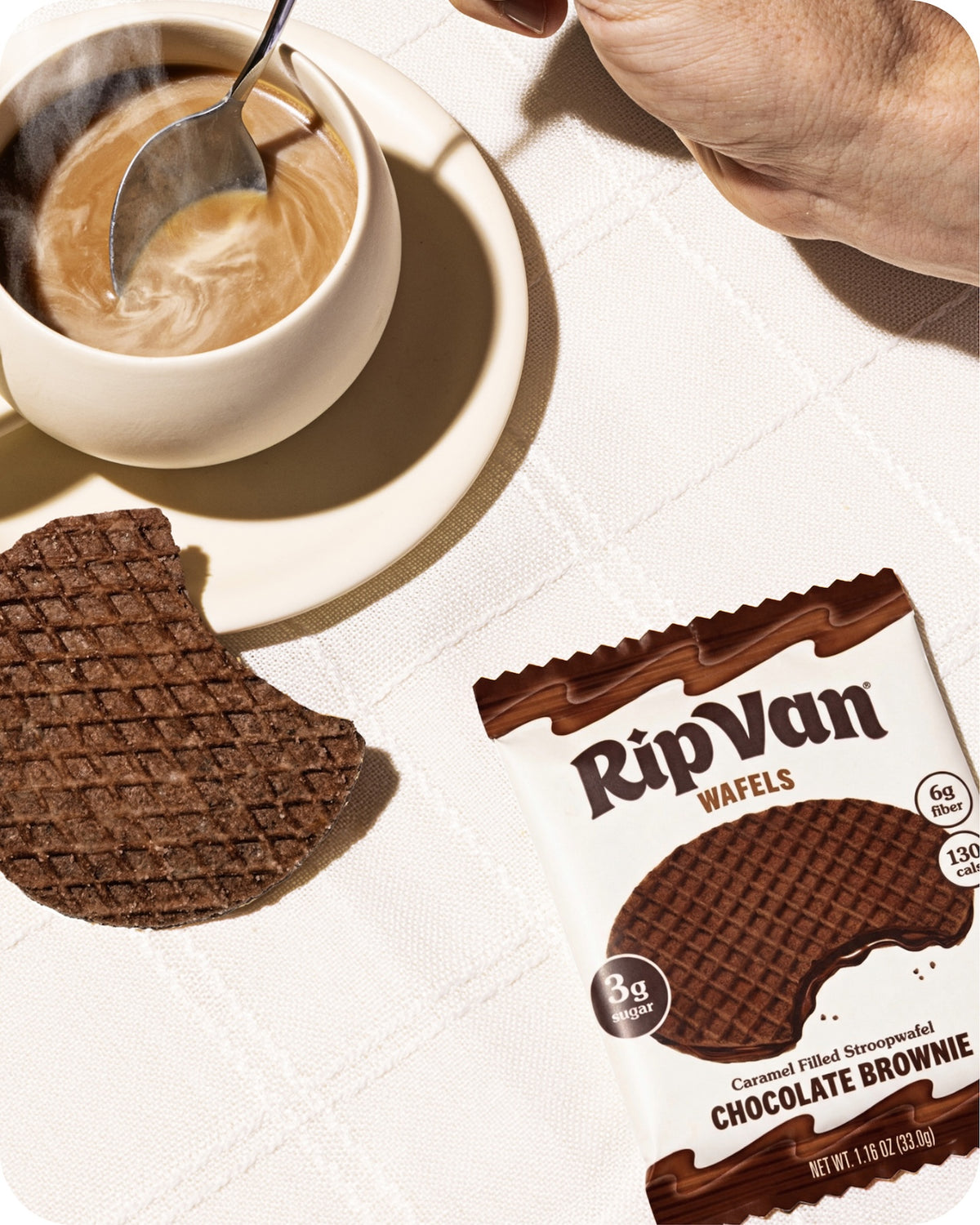
There is also the matter of gut hormones. Fiber stimulates the release of hormones like peptide YY and GLP-1, which signal satiety to the brain. These hormonal effects are part of why a fiber-rich snack can reduce the urge to eat again soon after. For someone choosing lower sugar snacks, fiber is not just a nutritional add-on. It changes how the body responds to the entire snack.
What This Means for Choosing Snacks
Reading a nutrition label becomes more useful when you look for fiber content alongside sugar. Many snacks marketed as "low sugar" still lack fiber, which means they may not satisfy as well. A good rule of thumb is to check the grams of fiber per serving. Even 3 to 5 grams can make a noticeable difference in how full you feel after eating. Compare that to a typical cookie that has less than a gram of fiber and several teaspoons of added sugar. The difference in satiety is clear.
Serving size also matters. A snack that is portion friendly snack options can help with managing overall intake, but portion size alone does not fix the sugar crash problem. If a small serving still lacks fiber, it may leave you wanting more. That is why combining a reasonable portion with fiber is a practical strategy. You get the sweet taste you want, plus the staying power that keeps you from reaching for a second or third serving.
Sweeteners play a role too. Some lower-sugar snacks use sugar alcohols or non-nutritive sweeteners to cut calories. These can help reduce sugar intake, but they do not provide the same fullness signals that fiber does. A snack that relies only on sweeteners without fiber may still leave you hungry. Fiber adds something that sweeteners cannot replicate: physical bulk and a slower digestive process.
Putting It into Practice
For anyone looking to satisfy a sweet craving without overdoing sugar, the goal is to find snacks that deliver both taste and satiety. That means looking for products that combine sweetness with a meaningful amount of dietary fiber. Some options include snacks made with whole grains, nuts, seeds, or added fiber sources like chicory root or oat fiber. These ingredients can turn a simple treat into something that works better for your body.
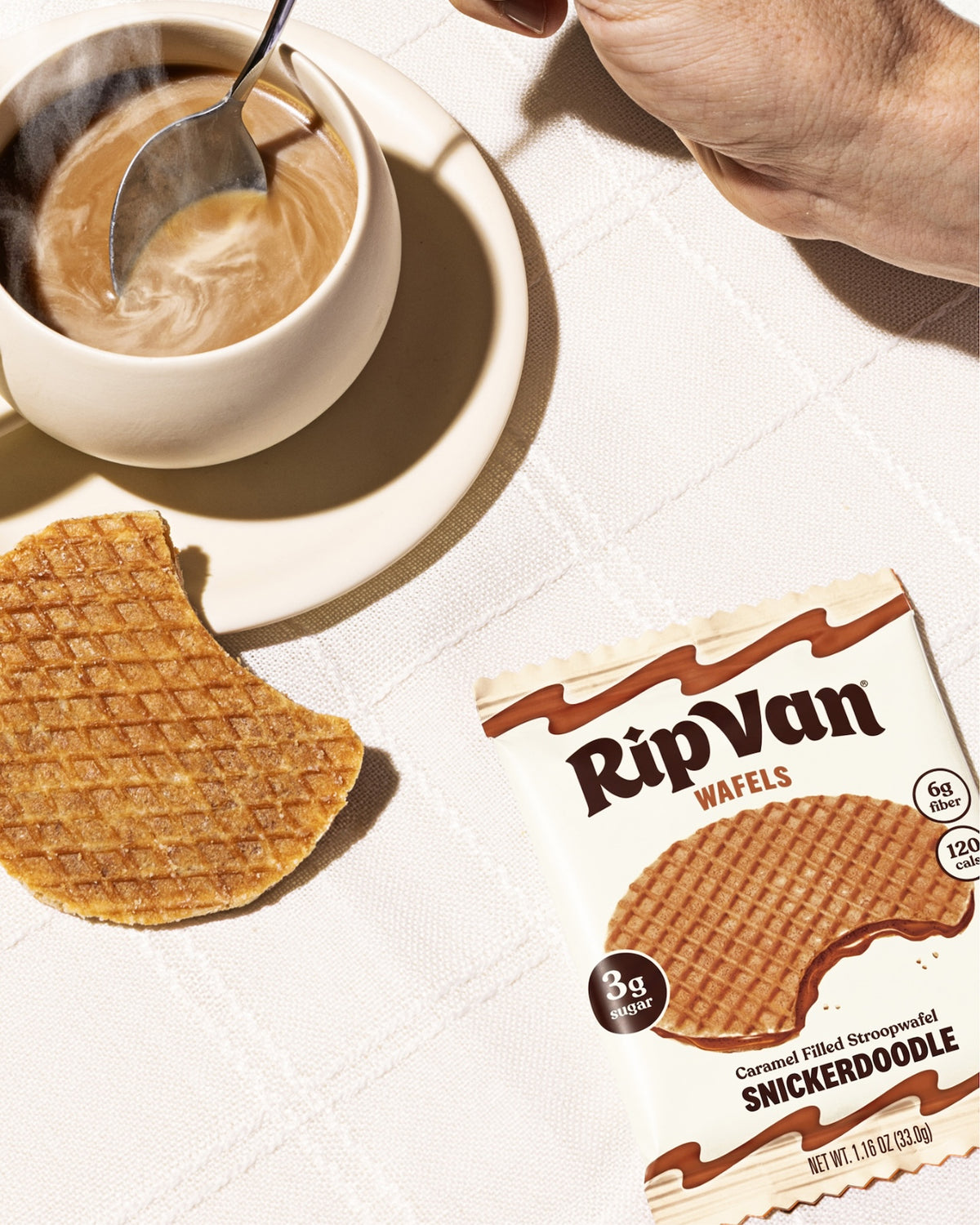
It is also worth paying attention to how a snack fits into the rest of your day. A fiber-rich sweet snack eaten between meals can help prevent overeating later. Because it keeps blood sugar steady and promotes fullness, it may reduce the urge to grab something less balanced at the next meal. This is especially helpful for people who struggle with afternoon slumps or late-night cravings.
There is a trade-off, of course. Some high-fiber sweet snacks can be dense or chewy, which is not everyone's preference. Texture matters for enjoyment. The trick is to find a snack where the fiber is well-integrated, not chalky or gritty. Many wafer-style snacks, for example, use thin layers and a filling that incorporates fiber without making the product feel heavy. The result is a crisp, sweet bite that still delivers the digestive benefits.
Why This Matters for Lower Sugar Eating
Reducing added sugar is a common goal, but it can backfire if the replacement snacks leave you unsatisfied. When people feel deprived or hungry, they often give up on the change altogether. Fiber helps close that gap. It makes a lower-sugar snack feel more like a real treat, not a compromise. The satisfaction comes from the body's natural signals, not from artificial fullness.
Choosing portion friendly snack options that also contain fiber can make it easier to stick with a lower-sugar routine over time. The portion size keeps calories in check, while the fiber keeps hunger at bay. Together, they create a snack that works on two levels: it satisfies the craving now and helps regulate appetite later. That is a smarter way to approach snacking, especially for anyone who wants to manage their sugar intake without feeling like they are missing out.

Fiber is not a magic bullet. It does not cancel out sugar completely, and it works best as part of an overall eating pattern that includes vegetables, fruits, whole grains, and protein. But for sweet snacks specifically, fiber is one of the most practical tools available. It turns a momentary pleasure into a longer-lasting source of energy and satisfaction. That is why more snack makers are adding fiber to their products, and why shoppers are starting to look for it on the label.
At the end of the day, the best snack is one that tastes good and leaves you feeling good afterward. Fiber helps make that possible, even when the snack is sweet. By choosing options that include it, you are not just cutting sugar. You are building a more satisfying eating experience that supports your energy and your goals.
Ends · THEPANTRYEDIT